


Fowler Dodge on I-240 - Choosing the Right Brake Pads and Rotors for Newcastle, OK Drivers
Why Brake Part Fitment Matters More Than Most Drivers Realize
Brake pads and rotors may look straightforward, but choosing the correct parts for a Chrysler, Dodge, Jeep, or Ram vehicle depends on more than model name alone. A Ram 1500, Ram 2500, Jeep Wrangler, Jeep Gladiator, Dodge Durango, Chrysler Pacifica, or Grand Cherokee can have different brake requirements based on trim level, wheel size, axle setup, towing equipment, production details, and driving use. That is why a VIN is so useful when ordering parts. It helps confirm the correct brake package before parts are pulled, reducing the chance of a delay during installation.
For drivers near Newcastle, OK, braking needs often reflect a mix of commuting, open-road driving, work travel, family errands, and towing. A truck used for hauling equipment may create more heat in the braking system than a commuter SUV. A Wrangler that sees gravel roads or uneven access routes may need careful hardware inspection because debris and vibration can influence pad and rotor wear. A family vehicle such as a Pacifica or Grand Cherokee L benefits from consistent, quiet stopping during daily use. Matching the parts to the vehicle and driving pattern helps support dependable brake performance.
Common Signs Your Brake Pads or Rotors Need Attention
Brake wear usually gives warning signs before a major concern develops. Some symptoms are easy to notice, while others appear gradually. Paying attention to sound, pedal feel, and vehicle behavior can help you decide when to request parts, schedule service, or ask for an inspection. If you drive regularly between Newcastle, south Oklahoma City, Moore, Norman, or Blanchard, a changing brake feel can become obvious during highway exits, neighborhood stops, and traffic-heavy routes.
- Squealing: A high-pitched sound may indicate pad wear, glazing, or hardware concerns.
- Grinding: A grinding noise can mean the friction material is severely worn and rotor damage may be occurring.
- Pulsation: A pulsing brake pedal or steering wheel vibration can point to rotor thickness variation or heat-related rotor issues.
- Longer stopping distance: Reduced stopping confidence may come from worn pads, rotor problems, fluid concerns, or tire condition.
- Pulling while braking: A vehicle that pulls to one side may need brake, tire, suspension, or alignment evaluation.
These symptoms should not be ignored, because one worn component can affect another. For example, new pads installed on heavily scored rotors may wear faster or produce unwanted noise. Caliper slide issues can also create uneven pad wear, even if the pads themselves are good quality. A complete look at the braking system can help identify whether pads, rotors, hardware, brake fluid components, or tires are part of the issue.
OEM Mopar Parts and Everyday Driving Confidence
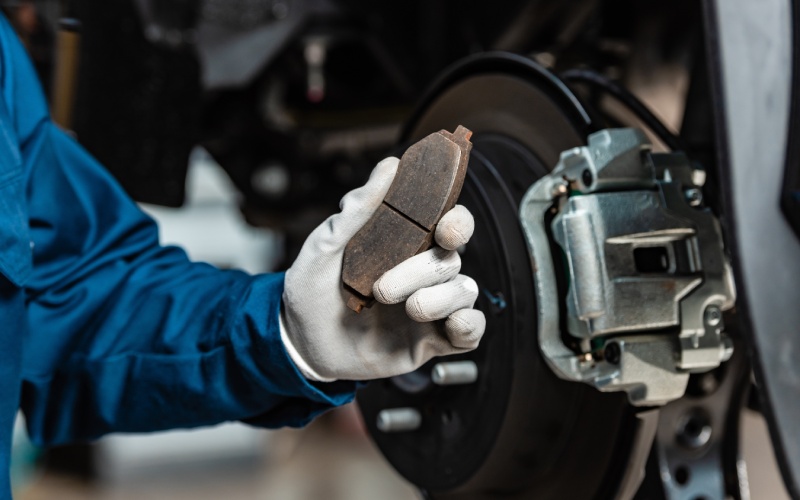
Genuine Mopar brake parts are engineered for compatible Chrysler, Dodge, Jeep, and Ram vehicles, with attention to fit, function, and finish. That matters because brakes are not just replacement items; each component needs to work as part of a complete system. Correctly matched pads and rotors can support smoother engagement, proper contact, consistent pedal response, and better compatibility with the vehicle design. Fowler Chrysler Dodge Jeep Ram on I-240 helps customers identify Mopar parts and accessories using vehicle details, including year, make, model, and VIN.
Drivers sometimes ask whether brake pads should always be replaced with rotors. The answer depends on condition. A rotor with adequate thickness and a clean, even surface may not require replacement, while a rotor with deep grooves, heat spots, cracking, heavy rust, or vibration concerns may need attention. Brake service should also include the small details: clips, shims, slide lubrication, caliper movement, and wheel torque procedures. These details can affect noise, wear, and braking feel long after the parts are installed.
How to Prepare Before Ordering Brake Parts
Before contacting a parts department, gather the information that helps confirm fitment. Your vehicle identification number is the most important detail, because it can reveal equipment differences that may not be obvious from the badge on the tailgate or liftgate. It also helps to describe the symptom, when it happens, and how the vehicle is typically used. A Ram truck that tows on weekends, a Jeep used on unpaved roads, and a Durango used for school and sports travel may need the same category of parts but not the same exact part number.
- Find your VIN on the driver-side dash, door jamb, insurance card, or registration.
- Note your current brake symptoms, including sound, vibration, warning lights, or pedal changes.
- Share driving use such as towing, hauling, commuting, off-road travel, or frequent passenger loads.
- Ask whether related hardware, rotors, sensors, or fluid components should be checked at the same time.
- Decide whether you want to install the parts yourself or coordinate professional service.
Taking a few minutes to prepare can make the ordering process smoother. It also helps avoid the common problem of buying parts based on an incomplete description. If your vehicle has been modified with different wheels, a lift kit, performance upgrades, or other accessories, mention those details as well. Modifications may not always change brake part requirements, but your parts advisor should know about anything that could affect fitment or service recommendations.
Frequently Asked Questions:
Can I order brake parts online for my CDJR vehicle?
Yes. You can submit a parts request with contact information, vehicle year, make, model, VIN, and a description of the parts needed. A parts professional can then help identify the correct components.
Do driving habits affect brake wear?
Yes. Towing, hauling, frequent stop-and-go driving, unpaved roads, and heavier passenger or cargo loads can all influence how quickly pads and rotors wear.
Are brake noises always caused by worn pads?
No. Worn pads are common, but brake noise can also come from rotor condition, hardware, caliper movement, debris, glazing, or installation-related issues.
Should tires be checked during brake service?
Yes. Tire condition affects stopping distance and overall control. Since brake and tire performance work together, it is smart to inspect both when braking changes appear.
Get Help Finding the Right Brake Parts
If your vehicle needs brake pads, rotors, hardware, or related Mopar components, our parts team can help you choose with confidence. Bring your VIN, describe the concern, and let our knowledgeable staff guide you toward the right fit for your Chrysler, Dodge, Jeep, or Ram. You can request parts online or call the parts department at (405) 634-7339 for assistance. Whether you plan a do-it-yourself repair or want help from certified technicians, our team is ready to support safe, reliable driving with genuine parts and practical local guidance.