


Fowler Jeep on I-240 - Is the 2026 Jeep Wrangler Better for Off-Road Driving Around Norman, OK Than the Ford Bronco?
For many shoppers comparing adventure SUVs, the big question is simple: is the Jeep® Wrangler better for off-road driving than the Ford Bronco®? The answer depends on priorities, but for drivers around Norman, OK who want proven trail hardware, authentic open-air freedom, and a vehicle built around 4x4 capability from the start, the Wrangler makes an especially strong case. The Bronco® is a legitimate competitor with available G.O.A.T. Modes®, trail technology, removable doors, and several capable engine options. Still, the Wrangler’s advantage begins with the fact that every model is Trail Rated®, meaning it is evaluated for traction, water fording, ground clearance, articulation, and maneuverability. That badge is more than design language; it reflects the way the SUV is engineered.
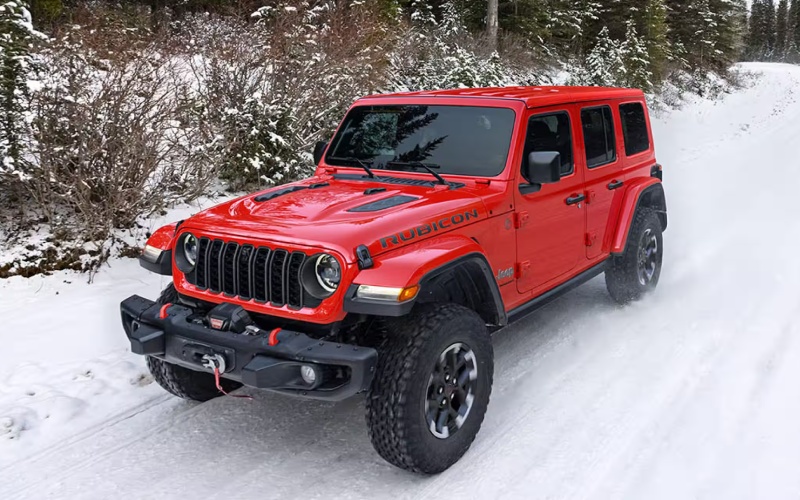
Wrangler also has a long-standing advantage in the areas that matter most once pavement ends. Its solid front and rear axles help support articulation over uneven surfaces, and available Rubicon equipment adds serious hardware for more technical routes. The Rock-Trac® 4x4 System, available 4:1 low gear ratio, available front and rear Tru-Lok® electronic locking differentials, Electronic Sway Bar Disconnect, rock rails, and available winch-capable steel bumpers give the Wrangler a purpose-built feel. Around central Oklahoma, that can matter whether a driver is navigating gravel access roads, rough property entrances, lake-area trails, or recreational off-road parks. Fowler Chrysler Dodge Jeep Ram on I-240 is serving Moore, Norman, and Yukon with Wrangler options that fit drivers who want trail confidence without giving up everyday comfort.
Why Wrangler Feels More Purpose-Built Off-Road
The Wrangler’s off-road strength is rooted in mechanical simplicity and proven Jeep® Brand engineering. While many SUVs add off-road settings to a road-focused platform, Wrangler starts with a 4x4-first foundation. Command-Trac® offers part-time four-wheel-drive capability with a 2.72:1 low range, while available Rock-Trac® brings deeper crawling control for more demanding terrain. On Rubicon models, the Electronic Sway Bar Disconnect allows the front wheels to move more freely over obstacles, which improves articulation and helps maintain tire contact where the surface is uneven.
The Bronco® deserves credit for its own capability. Available HOSS systems, Trail Turn Assist, Trail Control, and the Sasquatch® Package can make it highly competent. However, for shoppers asking which SUV feels more naturally engineered for low-speed trail work, Wrangler’s solid axle design, available locking differentials, and Trail Rated® identity give it the edge. It is also easy to build the Wrangler around specific goals, from a simple daily driver with open-air personality to a Rubicon model equipped for technical terrain.
Key Off-Road Advantages to Consider
- Standard Trail Rated® credibility: Every Wrangler model carries the Trail Rated® badge, while Bronco® does not use that Jeep® Brand capability standard.
- Solid axle confidence: Wrangler uses solid front and rear axles, a major advantage for articulation and durability in uneven terrain.
- Available Rubicon hardware: Rock-Trac® 4x4, Tru-Lok® electronic locking differentials, Electronic Sway Bar Disconnect, and rock rails support serious off-road driving.
- Open-air flexibility: Multiple roof choices and removable doors help Wrangler feel connected to the outdoors in a uniquely Jeep® way.
- Customization support: Authentic Jeep® Performance Parts from Mopar® make it easier to personalize capability, appearance, and utility.
How Does Wrangler Compare for Daily Driving?
A common follow-up question is whether choosing the more trail-focused SUV means giving up comfort. With Wrangler, the answer is no. The cabin can be equipped with the available Uconnect® 5 NAV system and a 12.3-inch center display, giving drivers a large, intuitive screen for navigation, entertainment, and vehicle information. Wireless Apple CarPlay® support and Android Auto™ compatibility are included with the Uconnect® system, helping drivers keep familiar apps close at hand. Available features such as automatic climate control, heated front seats, Adaptive Cruise Control, and a 120V AC power outlet make the Wrangler more practical than many shoppers expect.
That balance is especially useful for Norman-area drivers who may spend one day on I-35, another around campus or downtown streets, and another on a gravel route outside city limits. Wrangler is not only about extreme trail use. It is about confidence, visibility, and the freedom to adjust the vehicle to the day. The removable roof and doors add personality, while the upright cabin, practical cargo layout, and available driver-assist technologies help support normal routines.
What About Engines and Towing?
The Wrangler offers two strong gasoline engine choices. The 3.6L Pentastar® V6 engine produces 285 horsepower and 260 pound-feet of torque and is available with a manual transmission on several trims, which continues to appeal to drivers who enjoy a more connected driving feel. The available 2.0L Turbo I4 engine produces 270 horsepower and 295 pound-feet of torque, delivering responsive torque for both city driving and slower off-road situations. The Bronco® offers strong output as well, including available EcoBoost® engines, but Wrangler’s powertrains are closely integrated with Jeep® 4x4 systems that have been refined for trail control.
Towing is another important comparison point. When properly equipped, the Wrangler 4-door can tow up to 5,000 pounds on select Rubicon models, while the Bronco® lists a maximum towing figure of 4,500 pounds. For shoppers who need to pull small recreational equipment, a compact trailer, or other weekend gear, that extra capability can be meaningful. As always, proper equipment, payload, tongue weight, and safe loading practices matter, but Wrangler gives certain buyers a higher ceiling in this head-to-head comparison.
Open-Air Design: Which SUV Feels More Authentic?
Both the Wrangler and Bronco® offer removable roofs and doors, which is part of what makes this comparison so appealing. The difference is how central open-air driving is to the Wrangler identity. The Wrangler offers multiple roof configurations, including the Black Freedom Top® Three-Piece Hardtop, Body-Color Removeable Freedom Top® Three-Piece Hardtop, Premium Black Sunrider® Soft Top, Black Sunrider® for Hardtop, and available Sky One-Touch® Power Top. The available quick-release door hinge system also makes door removal more convenient, reinforcing the Wrangler’s open-air focus.
For drivers who want the vehicle to feel special every time the top comes off, Wrangler has the advantage. Its design connects directly to Jeep® Brand heritage, yet the latest version adds modern technology, available safety features, expressive colors such as Reign, and limited-edition personality like the Willys '41 model. It is easy to see why many shoppers view Wrangler not just as transportation, but as a lifestyle vehicle that still handles real work.
Frequently Asked Questions:
Is the Jeep® Wrangler more capable off-road than the Ford Bronco®?
For many drivers, yes. The Wrangler offers standard Trail Rated® capability, solid front and rear axles, and available Rubicon equipment such as Rock-Trac® 4x4, Tru-Lok® electronic locking differentials, and Electronic Sway Bar Disconnect. The Bronco® is capable, but Wrangler’s core hardware gives it a more traditional and proven off-road foundation.
Does the Ford Bronco® have advantages of its own?
Yes. The Bronco® offers available features such as G.O.A.T. Modes®, HOSS suspension systems, Trail Turn Assist, Trail Control, and strong EcoBoost® engine options. It is a serious competitor, but shoppers who prioritize Jeep® heritage, solid axles, and open-air customization often prefer Wrangler.
Which SUV is better for drivers who want both commuting and trail use?
The Wrangler is an excellent choice because it blends available modern technology with trail-ready engineering. Features such as Uconnect® 5 NAV, a 12.3-inch center display, wireless smartphone connectivity, available Adaptive Cruise Control, and multiple roof options help it fit daily life while remaining ready for off-road travel.
Why should I choose Wrangler if I rarely go off-road?
Wrangler still offers value beyond the trail. Its open-air design, strong resale appeal among enthusiasts, customizable Mopar® accessory support, confident 4x4 systems, and distinctive Jeep® Brand style make it rewarding even for drivers who spend most miles on pavement.
The Bottom Line for Norman, OK Shoppers
If the goal is maximum horsepower or a specific Ford feature, the Bronco® may stay on a shopper’s research list. But if the goal is authentic off-road capability, open-air freedom, and a vehicle engineered around 4x4 confidence from the beginning, the Jeep® Wrangler is the stronger recommendation. Its Trail Rated® status, solid axles, available Rubicon hardware, available 5,000-pound towing on select 4-door models, and deep customization support create a complete package. For Oklahoma drivers who want an SUV with personality, capability, and staying power, Wrangler continues to lead the conversation.